
About Hermitage Nevis
A House That Grew Into a Hotel
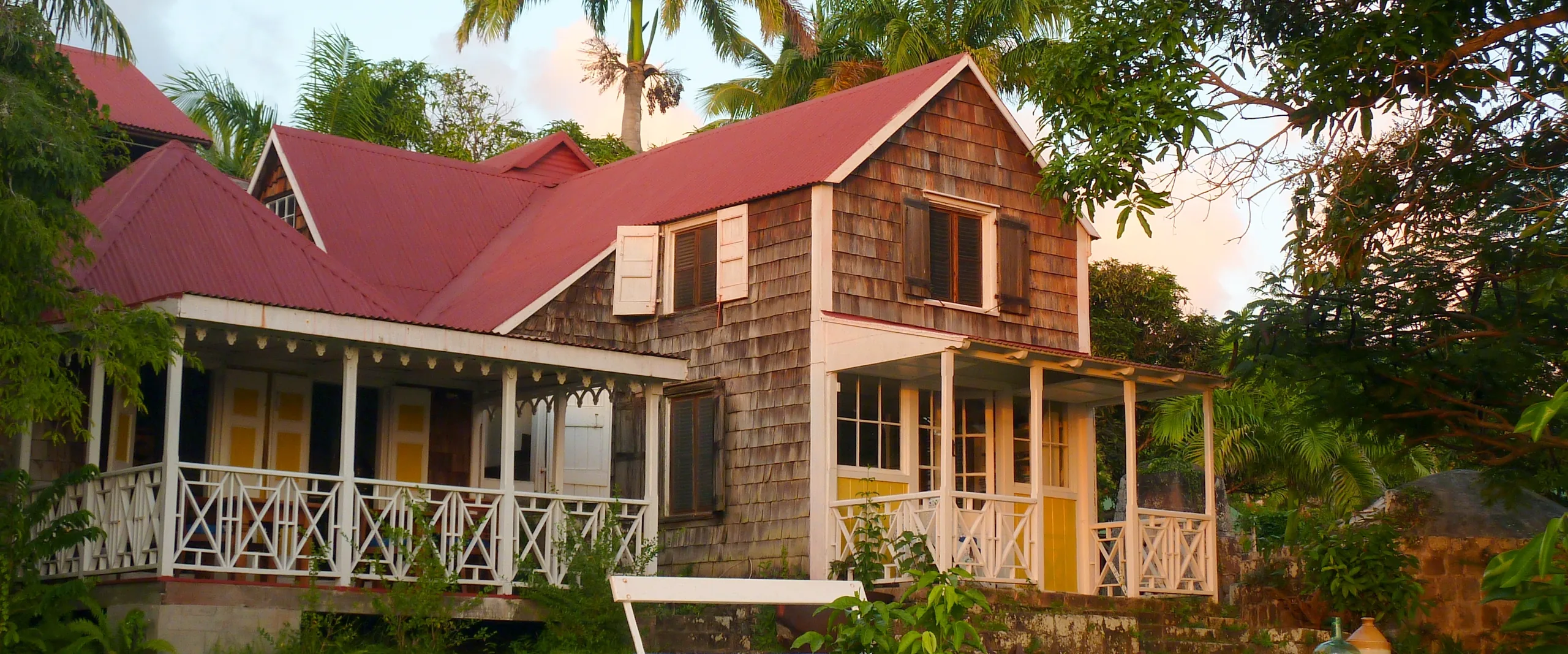
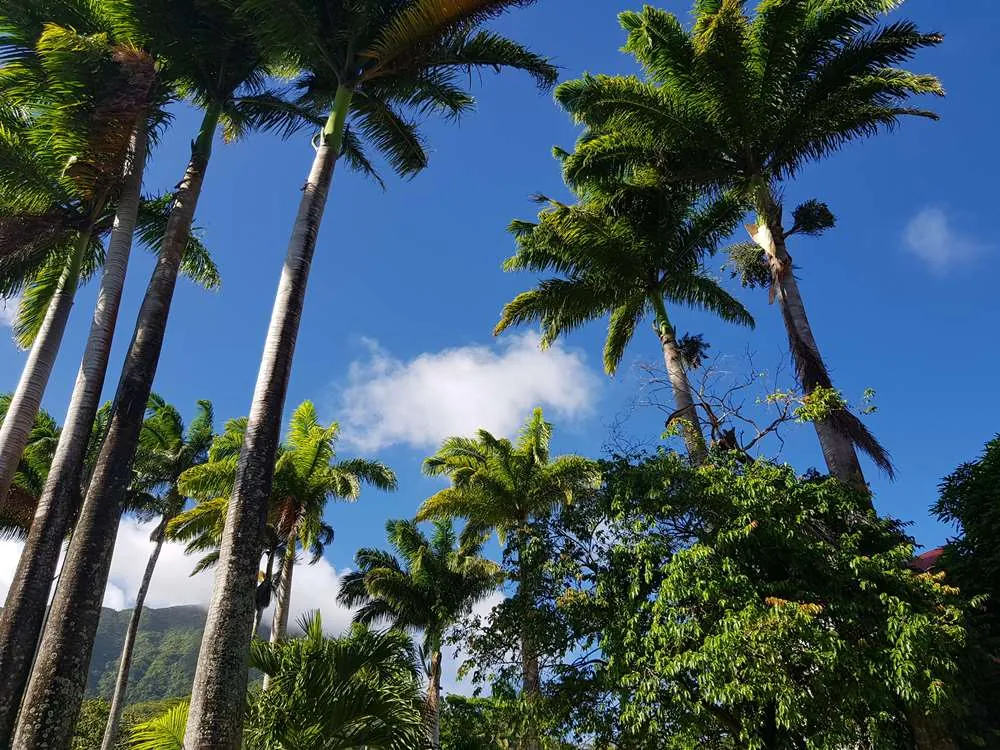
My father discovered Hermitage in 1971, a Great House lost in the country that nature had all but reclaimed. We restored it into a home, then slowly, one room, one cottage, one garden at a time, Hermitage grew with the palm trees we planted into the hotel where we welcome our guests today.
The house
A Home Before a Hotel
The Great House stands about 800 feet up the hillside, at the foot of the rainforest that covers the top of Nevis Peak. It dates from the late seventeenth century, around 1700, and has survived hurricanes, neglect, changing fortunes and the passing of more than three centuries.
For most of that time it was simply a house. When my family came here, that was what it became again first — a home. The hotel followed later.
The Houses Tell the Story
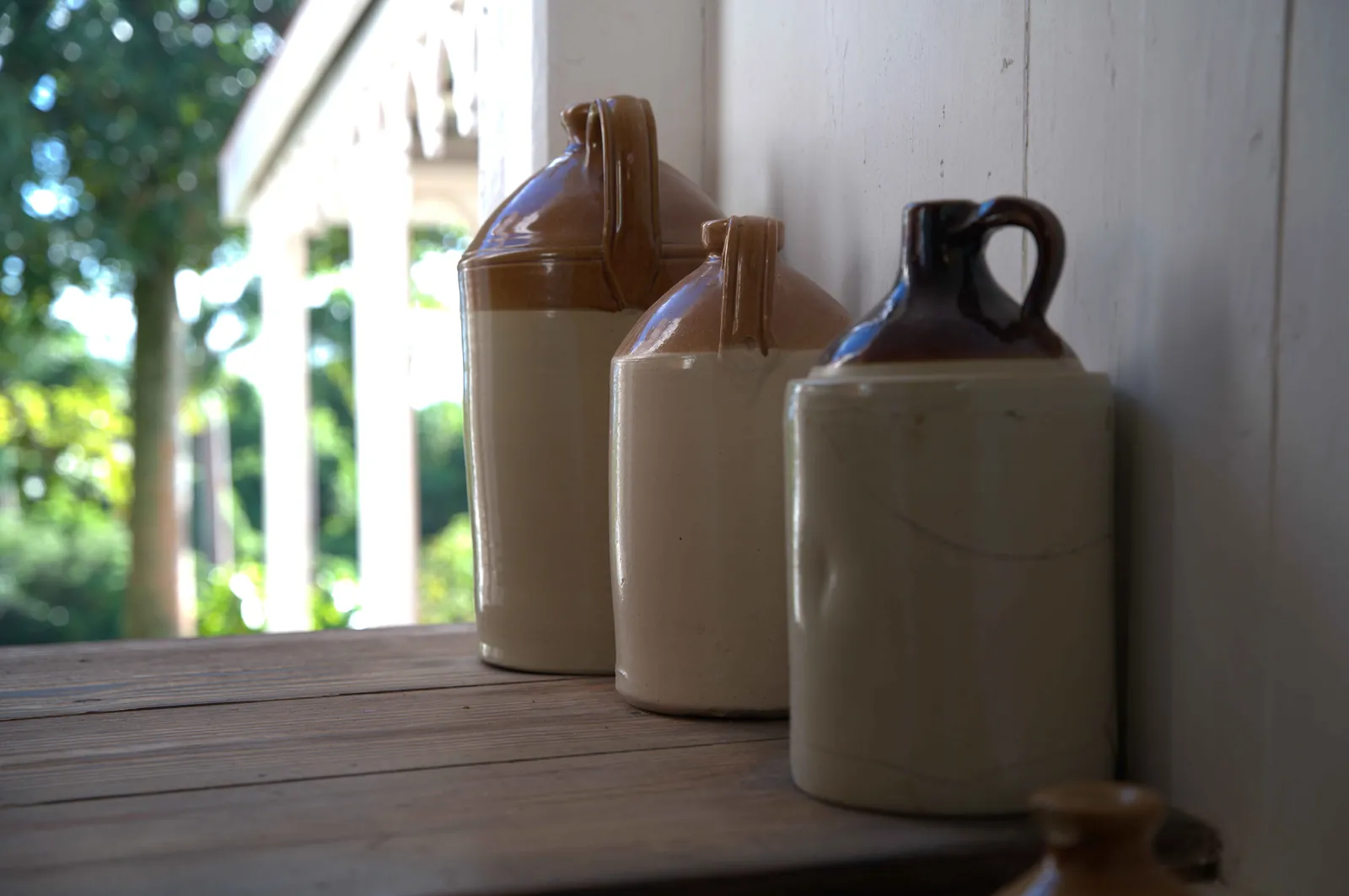
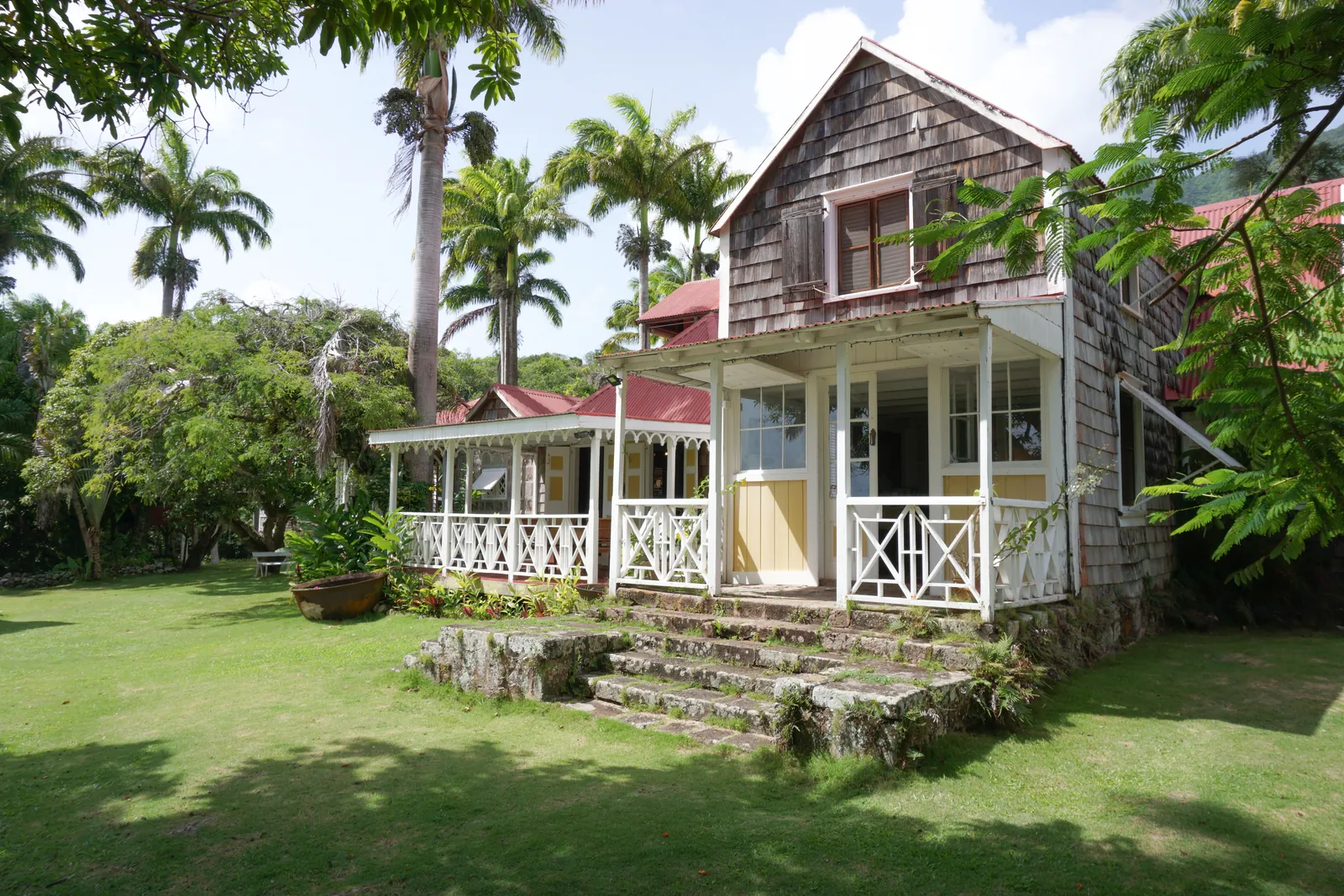
Walk through the gardens and you can read the growth of Hermitage in its buildings. Some of the cottages were built here in the traditional gingerbread style of Nevisian chattel houses; others arrived with lives already behind them.
Treetops Up and Down are nestled between the mahogany and mango trees. Some of the cottages are replicas of historic buildings from other parts of the island. The Goosepen takes its name from where we once kept geese.
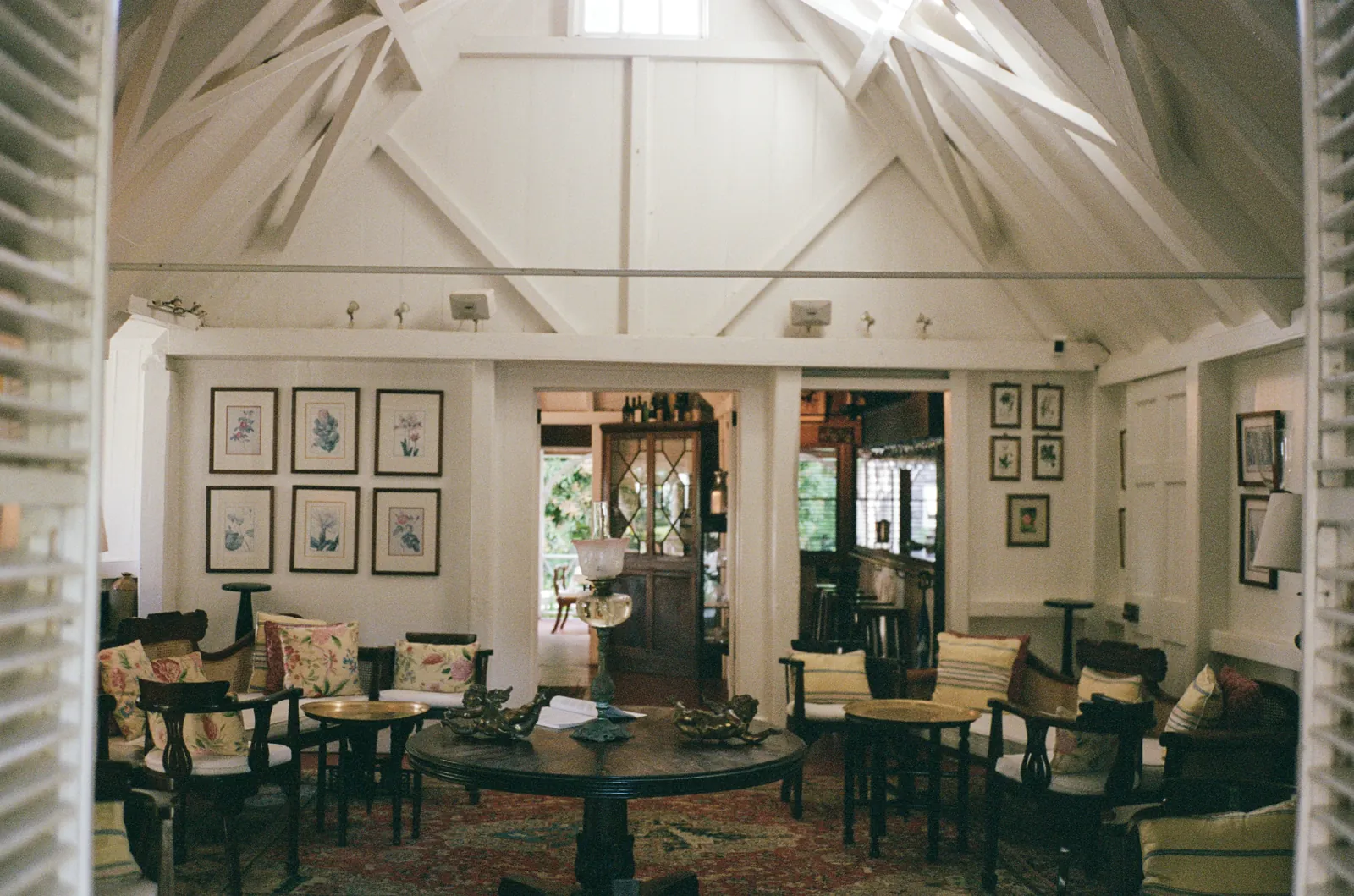
We welcome our guests into The Great House, where we can share the history and stories of Hermitage — over coffee after breakfast, with a book during the day, tea in the afternoon or a cocktail before dinner. Come in and enjoy the feeling of being in your own country home in the Caribbean.
The Great House
The Great House was the home of the Pemberton family, one of the early English families to settle on Nevis. They arrived before sugar came to dominate the island and first tried their fortunes with crops including indigo, cotton and tobacco.
The family later established sugar estates on lower ground closer to the sea, while Hermitage became something different: a retirement home for older members of the family. It gained a reputation within the family as a place that seemed to promote longevity.
The last of this branch of the Pembertons left Nevis in the early 1900s, leaving the house in the care of cousins. By the time our family found it in the 1970s, daylight was coming through the roof and grass was growing through the floor.
Research associated with the University of Southampton’s Nevis Heritage Project dates the earthfast timber Great House to the late seventeenth century. The Great House is regarded as the oldest surviving wooden house in the Caribbean, an assessment set down in 1984 by Jack Berthelot, co-author of the influential book Caribbean Style.
Since 1971
Three generations of the Lupinacci family have now lived and worked at Hermitage. Much has changed over the years, but it has remained what it was when we first came here — a family place.
Life Around the House
Hermitage has always felt connected to the villages around us. Many of the people who work here grew up nearby, and over the years guests have come to know the same faces, voices and families as part of their stay.
There is an ease to that connection — conversations across the garden, a walk through the village, someone stopping by, news passing from one person to another.
Come and stay
Stay at Hermitage
There is more to see than fits on one page. Look through the rooms, cottages and villas, read about dining at Hermitage, or get in touch with any question about a stay.